
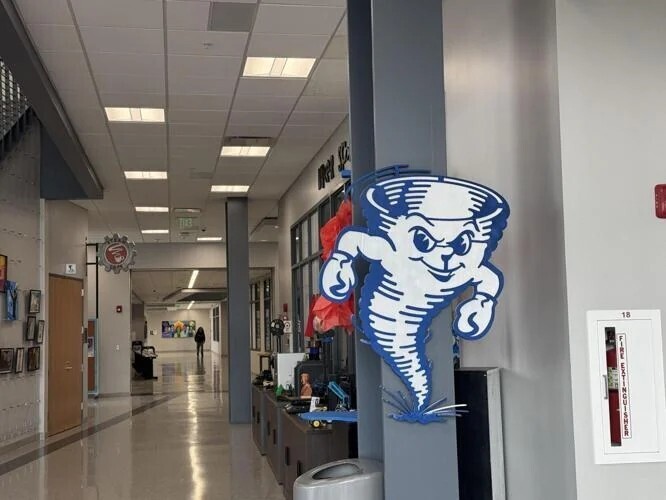
by Kenna Williams
The Paducah Sun
November 20, 2026
Used with permission.
Starting Jan. 1, 2027, individual taxpayers can lower their federal tax bill dollar for dollar by donating up to $1,700 to a recognized Scholarship Granting Organization.
On Thursday, Paducah Public Schools Superintendent Donald Shively explained the Federal Scholarship Tax Credit program and how the community and local schools will benefit. While the Internal Revenue Service has not yet approved its regulations for public school donations, Shively shared his hopes for how the funding will impact local students.
“I think it’s a tremendous opportunity for federal taxpayers to strengthen your confidence in how your federal liability is being spent,” Shively said. “I feel like this is a way to help our future graduates — to give back and lessen federal responsibility by entrusting our district to ensure that we’re doing everything we can to make sure our kids reach their potential and chase their dreams.”
With January right around the corner, Paducah Public Schools discussed possible uses for the funding at a recent board meeting, proposing that it be used for tutoring, transportation for tutoring and services for students with disabilities. Shively reaffirmed Thursday that state and federal legislators have echoed these possible uses for the funds.
“One of the key things a superintendent does is understanding the needs of children, of teachers, of the school, and getting the right resources to meet those needs,” he said. “We still have some proposed regulations, and we need to get that approved within the IRS to really dial into what those opportunities will look like.”

He added that while states decide whether to opt into the Federal Scholarship Tax Credit program, a person does not have to live in those states to be eligible. Moreover, married couples who file jointly can give up to $3,400 as part of the program.
“If you owe the IRS $500 in 2027, you could write a $500 check to a Scholarship Granting Organization and owe no federal taxes to the IRS,” he said. “If you live in a state that hasn’t opted in, because it’s a federal tax credit, it will travel across state lines — so you don’t have to be living in a state that has opted into this.”
Above all, Shively said he views the program as a way for the community to give back to future graduates — and to know exactly how a person’s money is improving lives.
“I think the appeal for someone who would owe federal taxes is, ‘I can give to a local organization, specifically Blue is Best SGO in Paducah Public Schools, and know that money is going to go to kids in need that meet the qualifications for the scholarships that are a part of that,’ ” Shively said.
Those interested in seeking additional information on eligibility for the Federal Scholarship Tax Credit program can visit the IRS website.